This guide is about shopping and upkeep. It does not rank products by health risk or turn an ingredient name into a safety verdict.
Three practical places to look
Packaging
Compare the complete package, including pumps, caps, liners and refill bags. A paper exterior or glass bottle does not describe every part. Check the current product packaging, since it can vary by size and market.
Refills
Ask what the refill arrives in, whether the dispenser is intended to be refilled, and how it should be cleaned. Follow the manufacturer’s instructions. Include the refill price and any delivery charges.
Durable tools
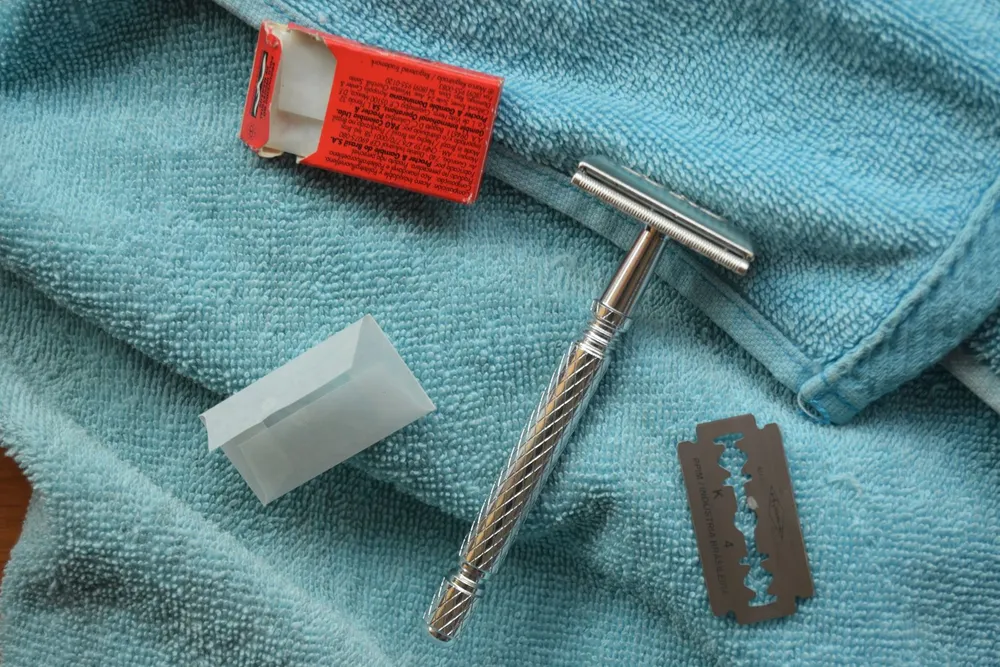
Compare replacement-part availability and the maintenance routine before changing a razor, brush or other tool. Make sure the alternative is suitable for its intended user and that you can use and store it appropriately.
A useful comparison sheet
| What matters to you | What to write down |
|---|---|
| Less packaging | Main container, cap, pump, liner, refill package |
| Easier care | Cleaning instructions, drying and storage requirements |
| Lower recurring cost | Refill or replacement price, delivery and expected frequency |
| Comfortable use | Weight, grip, handling and the routine you actually prefer |
What we would skip
Skip a “clean” label that does not explain what it means. Skip a replacement that solves a packaging preference but creates an unwanted maintenance job. Keep prescribed treatments and professional advice separate from a household-materials project.
Our bathroom candidates are options to compare, with evidence status and practical constraints. No product earns a health recommendation simply because it comes in less plastic.
Next step: write down the packaging and refill questions for your next planned purchase. That can be the whole bathroom project for now.